Welcome back!
You're currently shopping with your default address:
You're currently using an unsupported browser, which may impact the sites display and prevent key functionality. Update your browser now for greater security, speed, and the best experience on this site. View supported browsers.


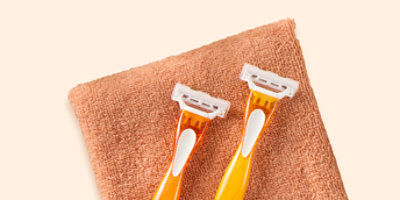
Shave essentials

Lotions & oils

Look for shampoo labels that match your specific needs:
Volumizing for fine or limp hair
Moisturizing for dry or damaged hair
Sulfate-free for sensitive scalps
Anti-dandruff for flaky or itchy scalps
You’ll find a full selection at Pavilions for all hair types and concerns.
Daily conditioners help hydrate and detangle your hair, making them perfect for everyday use. Deep conditioners offer extra repair for damaged or color-treated hair. These richer formulas are packed with nourishing ingredients that restore moisture, strengthen strands, and improve overall hair health. Look for conditioners that contain:
Shea butter for deep hydration
Keratin to strengthen and smooth
Argan oil for shine and softness
Panthenol (Provitamin B5) to boost elasticity
Hydrolyzed proteins to repair damage
If your hair needs more intensive care, these rich formulas are a great choice. Shop conditioners for all hair types at Pavilions today!
Everyone’s hair is different, but most people do well shampooing every two to three days. Washing too often can strip natural oils and lead to dryness or breakage, especially if you have curly or coarse hair. If your scalp feels oily or you sweat a lot, you might shampoo more often; if your hair is dry, you can stretch washes to once a week. Always focus shampoo on your scalp and conditioner on the ends.
You should start using dandruff shampoo as soon as you notice common symptoms like flakes, persistent itching, or dryness on your scalp. Initially, it's generally recommended to start using the shampoo 2-3 times a week to actively treat the condition. Tip: Once your scalp symptoms improve and you feel better, you can switch to using the dandruff shampoo once a week to help prevent dandruff from returning.
Look for salicylic acid, benzoyl peroxide, or niacinamide. Start with low amounts to avoid skin irritation. You can find acne-fighting products at Pavilions.
If your acne persists or worsens, consider reaching out to a dermatologist for personalized advice and treatment options.
Start with a cleanser to wash away dirt and oil. Follow with a serum to target concerns like fine lines or dryness. Then apply a moisturizer to lock in hydration; use a thicker cream at night or on very dry areas. Use a scrub 1–3 times a week to exfoliate and remove dead skin cells without irritating your skin.
Explore the full selection of skin care products in-store, online or in the app today.
Choose aluminum-free and fragrance-free deodorants. Look for “hypoallergenic” labels and skip alcohol-based formulas to avoid irritation. Shop the full selection at Pavilions.
Body wash is usually more moisturizing and gentler on sensitive skin. Bar soap can give a deeper clean but may be harsher. Pick what works best for your skin type and avoid strong ingredients if your skin is dry or sensitive. Shop the full selection at Pavilions.
Chemical sunscreens absorb UV rays and convert them to heat. They're lightweight and invisible but may irritate sensitive skin. Mineral sunscreens reflect UV rays on the skin’s surface, work instantly, and are gentler for sensitive or acne-prone skin, though they can leave a white residue. Shop the full selection at Pavilions.
Natural skincare uses plant-based ingredients like coconut oil and aloe vera to hydrate and soothe without harsh chemicals. These products often skip irritants like parabens and synthetic fragrances, making them gentler for sensitive skin and more eco-friendly. Many brands also focus on eco-friendly practices and clear ingredient labels, so you know exactly what you’re putting on your skin.
Explore the full selection of skin care products in-store, online or in the app today.
Serums deliver concentrated ingredients like vitamin C or hyaluronic acid deep into the skin to treat issues like spots or fine lines. Moisturizers seal in hydration and strengthen the skin’s barrier. Apply serum first, then moisturizer to lock in benefits.
For more personalized advice, please follow up with your healthcare provider.