You're currently using an unsupported browser, which may impact the sites display and prevent key functionality. Update your browser now for greater security, speed, and the best experience on this site. View supported browsers.
pavilions Home page
Shopped with us before?





Featured items
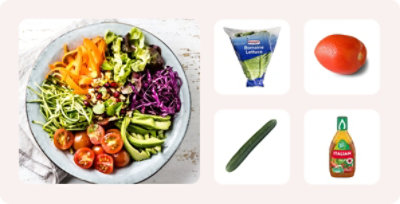
Rainbow salad
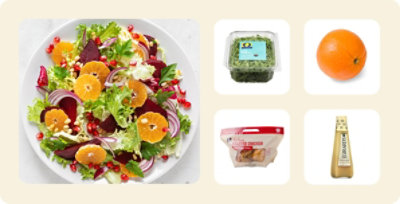
Citrus salad
Shop for graduation


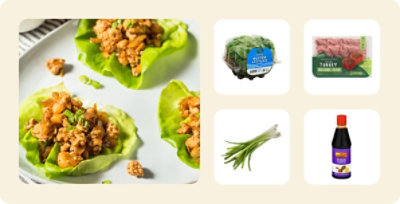
Lettuce wraps
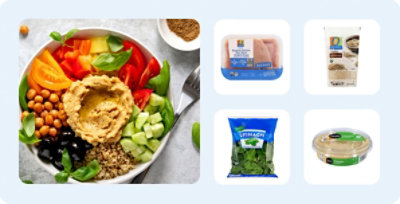
Mediterranean bowl


Rewards for health goals


Save with vaccinations


$30 Off
on your first DriveUp & Go™ order when you spend $75 or more**
Enter Promo Code SAVE30 at checkout
Offer Expires 01/12/25
**OFFER DETAILS: TO SAVE $30 YOU MUST SPEND $75 OR MORE IN A SINGLE TRANSACTION FOR YOUR FIRST ONLINE PICKUP ORDER OF QUALIFYING ITEMS PURCHASED VIA A COMPANY-OWNED CHANNEL (i.e. THE Pavilions WEBSITE OR MOBILE APP). OFFER DOES NOT APPLY TO ONLINE ORDERS PLACED THROUGH A THIRD-PARTY SUCH AS Instacart, UberEats, DoorDash, ETC. OR ON ORDERS SCHEDULED FOR PICKUP AFTER THE OFFER EXPIRATION DATE. Must select PICKUP option and enter Promo Code SAVE30 at checkout. Minimum purchase amount is calculated based on subtotal of all qualifying items at checkout after deduction of all other promotions, offers, discounts, and savings and excludes alcoholic beverages, tobacco, and fluid dairy products, bottle/container deposits, and any fees, charges, and taxes. Offer may not be combined with any other promotion, offer, discount or savings and other restrictions may apply. VALID FOR 1ST TIME ONLINE GROCERY PICKUP ORDER. LIMIT 1 PER HOUSEHOLD. We reserve the right to modify or cancel offers/orders and/or to correct typographical, pictorial, and other ad or pricing errors. Please review our Online Ordering Services Terms for specific information related to online delivery and pickup purchases.